
Best time to visit the Okavango Delta
A year-round destination with a seasonal heartbeat
There is no single best time to visit the Okavango Delta — it depends on what you want from your safari. The delta’s character shifts dramatically with its annual flood cycle: water levels, wildlife behaviour, available activities, visitor numbers and rates all change month by month. What follows is an honest, month-by-month guide to help you choose the timing that suits you best.
When to visit at a glance
The Okavango’s flood arrives from Angola in the dry season, peaking in July — so the best months for water-based safaris and peak game viewing are May to August. But every season has a genuine appeal, from green-season birding to the raw drama of October’s heat.
The flood season
May – August
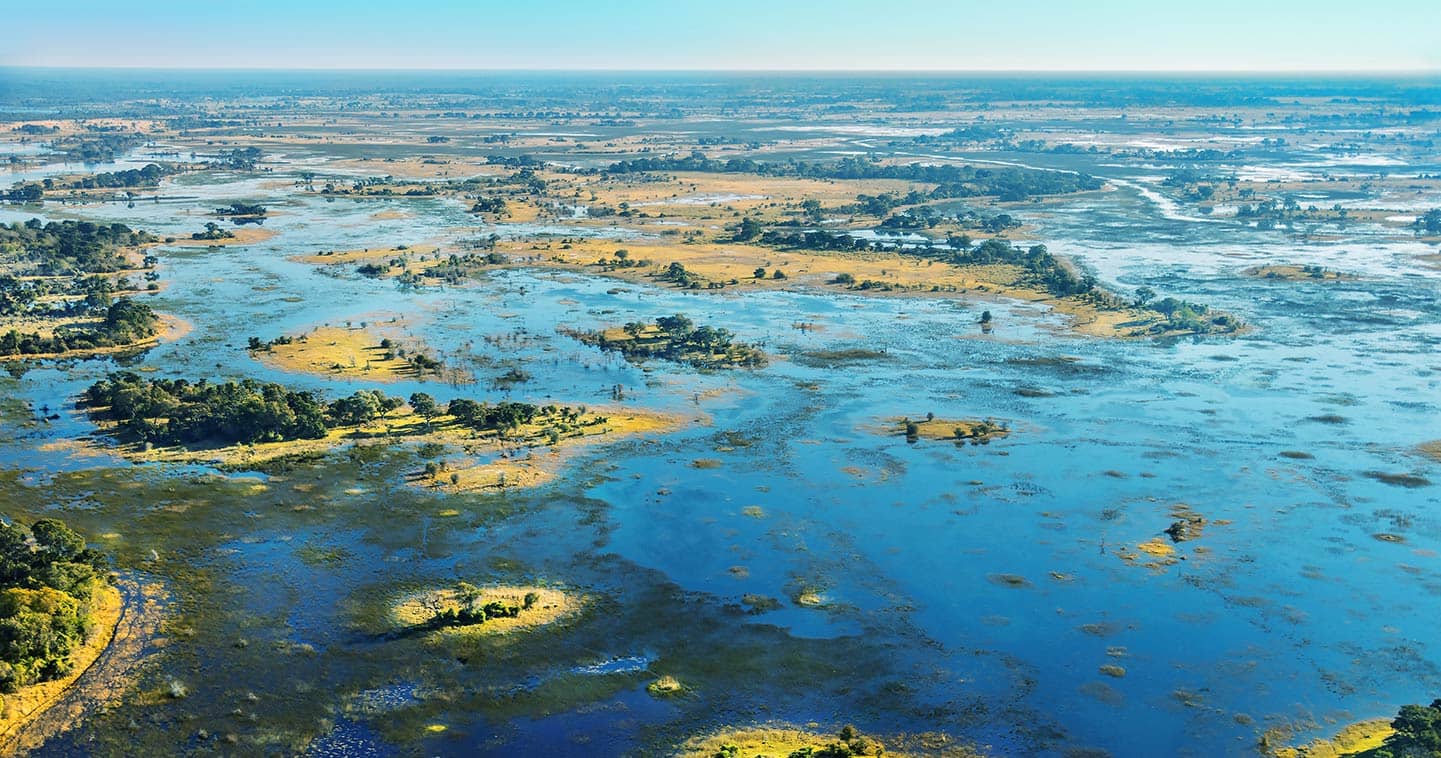
- Floodwaters from Angola spread across the delta, peaking in July
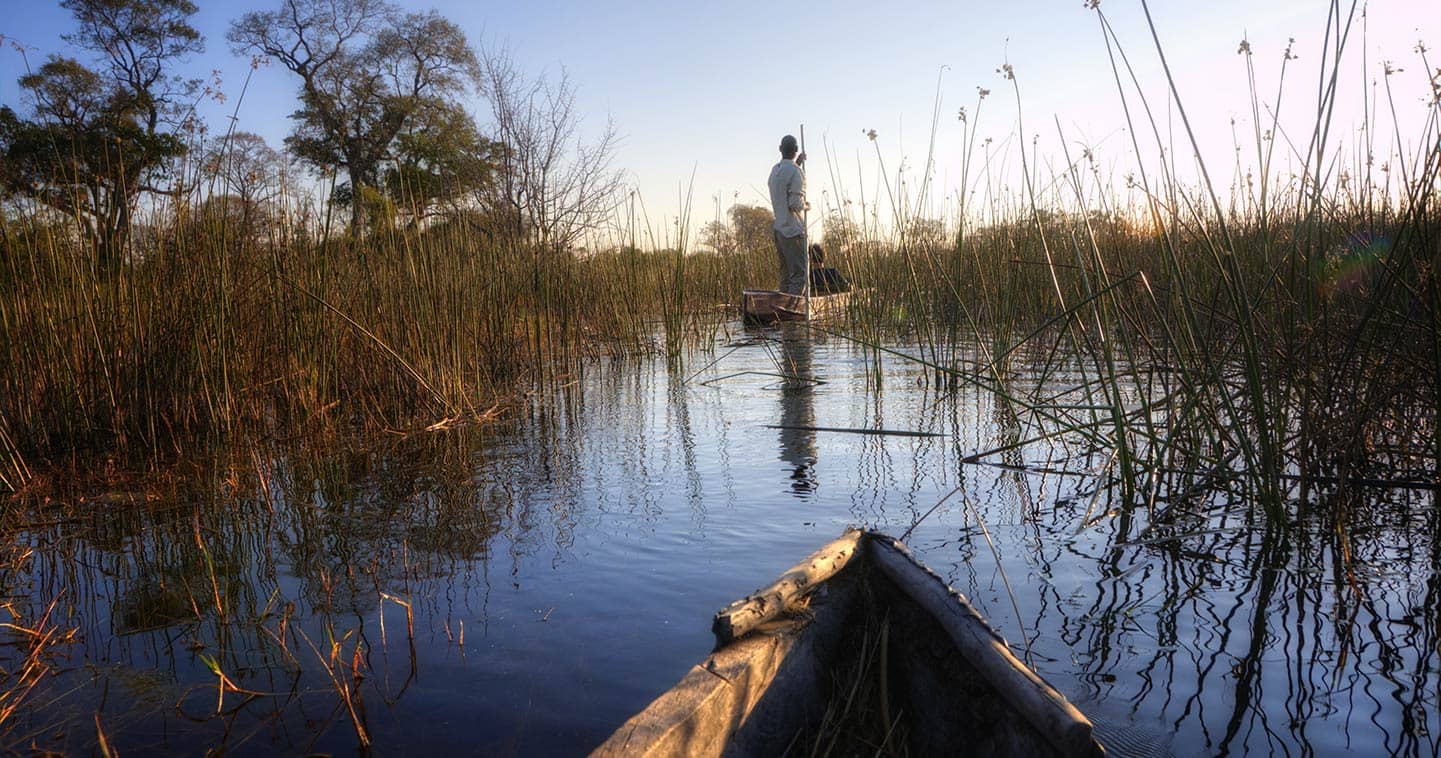
- Mokoro, motorboat and game drives all available — the full activity menu
- Clear skies, pleasant daytime temperatures, cold mornings in June and July
- Peak demand — book at least nine to twelve months ahead for popular camps
Heat and drama
September – October
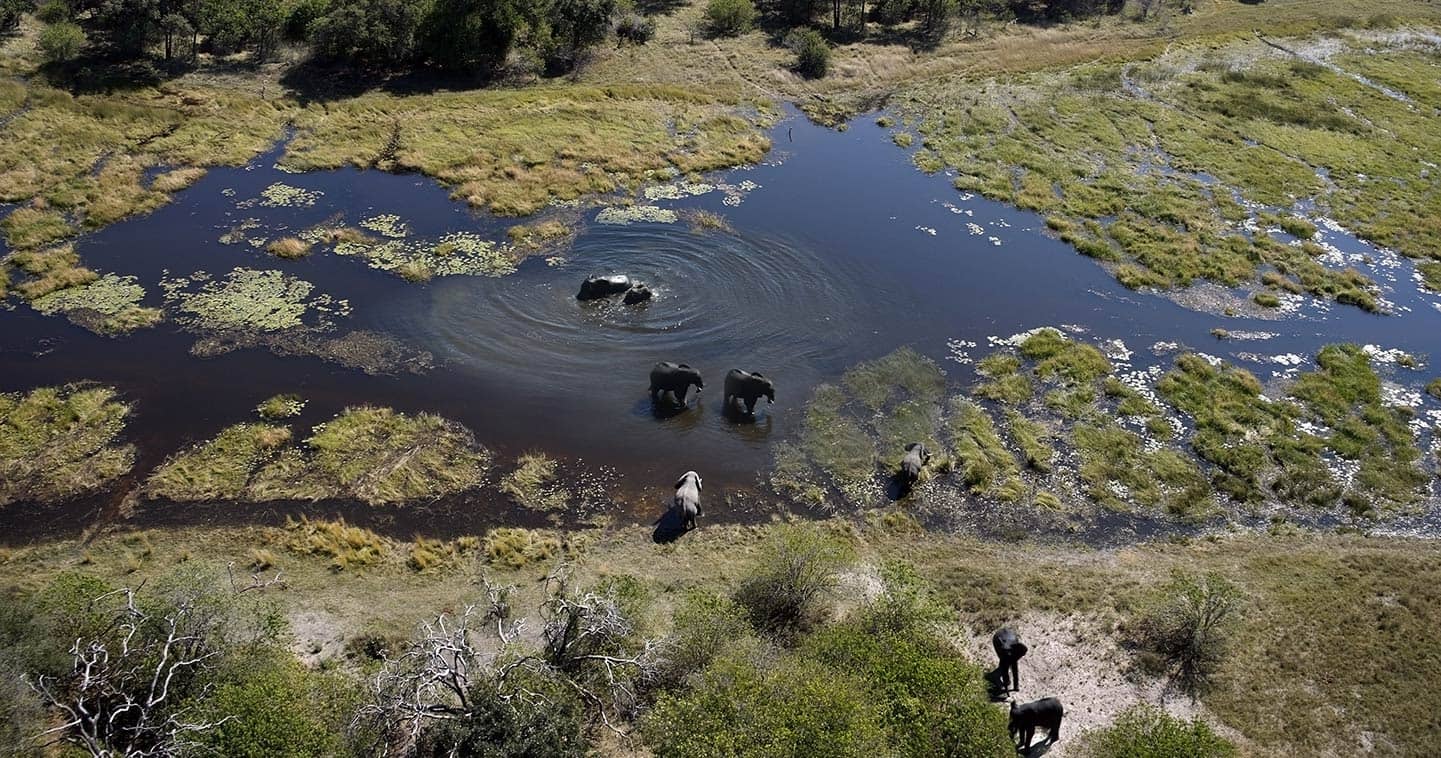
- Shrinking water concentrates wildlife around remaining channels and pools
- Some of the most dramatic predator-prey interactions of the year
- Outstanding photography conditions — animals close together, little vegetation
- October regularly exceeds 40°C — rewarding, though the heat can be challenging
The transitions
March – April, November
- March and April: rains easing, flood pulse arriving, mokoro routes starting to open
- November: first rains greening the landscape, migratory birds arriving
- Shoulder-season rates typically apply — strong value for the conditions
- Variable weather adds unpredictability — but the delta rewards flexibility
Secret season
December – February
- Over 200 migratory bird species — the delta’s best birding months
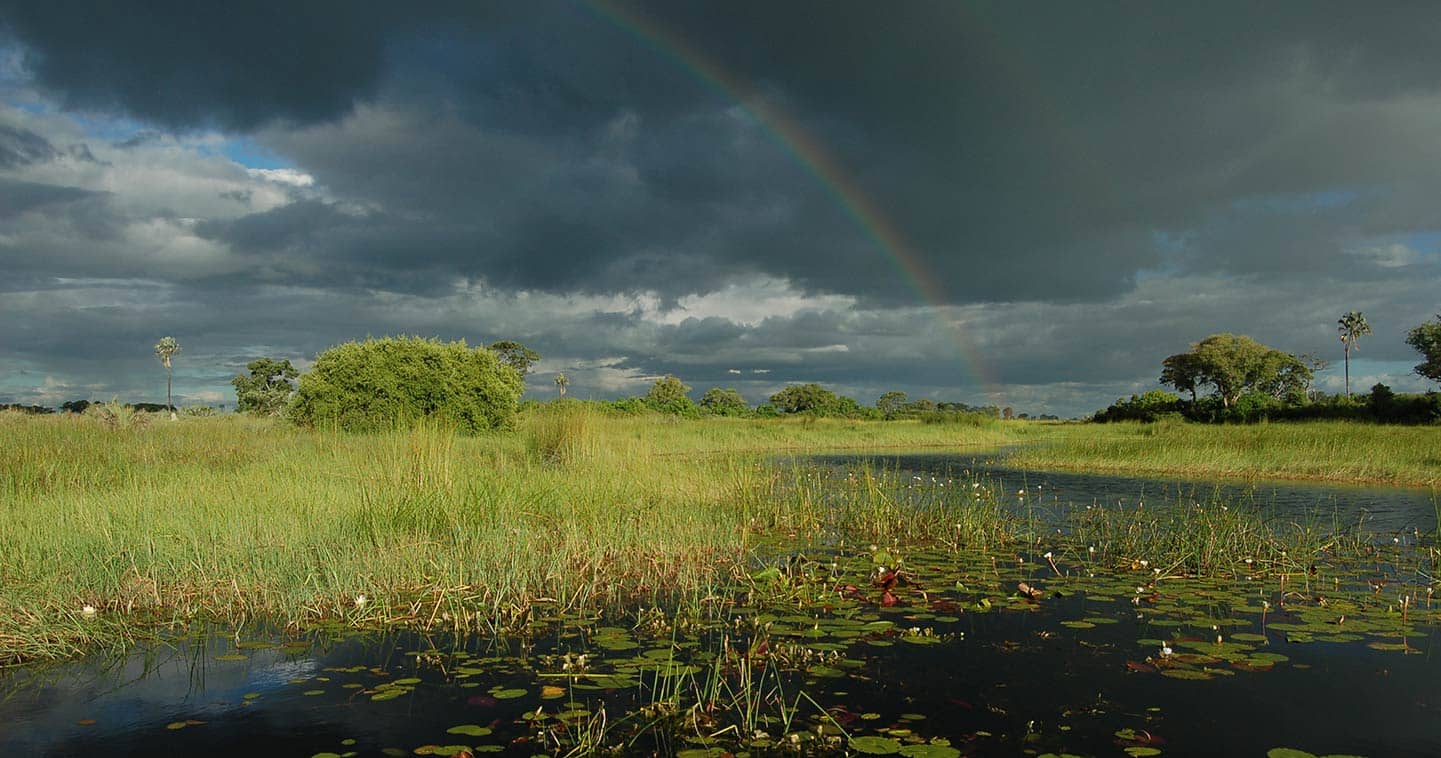
- Lush, vivid green landscapes with dramatic afternoon thunderstorms
- Fewest visitors — you may have your camp and sightings largely to yourself
- Lowest rates of the year — outstanding value for an unforgettable destination
Month-by-month guide to the Okavango Delta
January and February — green season at its peak
The delta is at its lushest and greenest, with heavy afternoon thunderstorms that clear as quickly as they arrive. Water levels are at their lowest point of the year, though camps on permanent channels still offer mokoro and boating excursions — albeit with more limited reach than during the flood season. But what you lose in water-based activities, you gain in birding: this is when over 200 migratory species are present, including carmine bee-eaters, and breeding colonies are in full display. Antelope calving season attracts predators, and the dramatic skies — towering thunderheads lit by late-afternoon sun — make for extraordinary photography. Rates are at their lowest and camps are at their quietest.
March and April — the transition begins
Local rains taper off through March, but something remarkable is happening to the north: the floodwaters from Angola’s highlands have entered Botswana via the Panhandle and are beginning their slow journey south into the main delta. By April, the first channels are filling, mokoro excursions extend their reach as new routes open in the upper delta, and temperatures are cooling into the low 30s. It’s an unpredictable but rewarding time — you can feel the delta beginning to wake up. Shoulder-season rates typically apply.
May — many visitors’ favourite month
Ask seasoned Okavango travellers which month they’d choose and May comes up repeatedly. The flood is spreading rapidly, opening new mokoro routes almost daily. Skies are crystal clear, daytime temperatures hover around a pleasant 28°C, and the first cold mornings add a crispness to early game drives. Wildlife is concentrating around the advancing flood front, and the bush is thinning enough to make spotting easier. It’s the beginning of peak season, but not yet at full-peak pricing in most camps — a genuine sweet spot.
June and July — peak flood, peak season
This is the Okavango at its most spectacular. The flood reaches its maximum extent in July, with satellite data showing over 7,000 km² of visible open water. Every activity is available — mokoro, motorboat cruises, game drives, night drives, walking safaris and fishing. The contrast between the flooded delta and the dry surrounding Kalahari is at its most dramatic. Days are warm and sunny; nights are genuinely cold, with temperatures occasionally dropping below 5°C. This is peak demand, with the highest rates and the greatest need to book well ahead. Wild dog denning season is underway, and all three big cats are regularly sighted.
August — still exceptional
The flood begins its slow retreat, but conditions remain excellent. The barbel run — one of the delta’s great natural spectacles — brings shoals of catfish pouring through the channels, pursued by tiger fish and attracting herons, storks and eagles. Crocodile activity peaks. Temperatures are warming and the bush is noticeably drier than a month earlier, which concentrates game viewing further. Many consider August the best month for predator sightings. Rates remain at peak-season levels.
September and October — raw, intense, hot
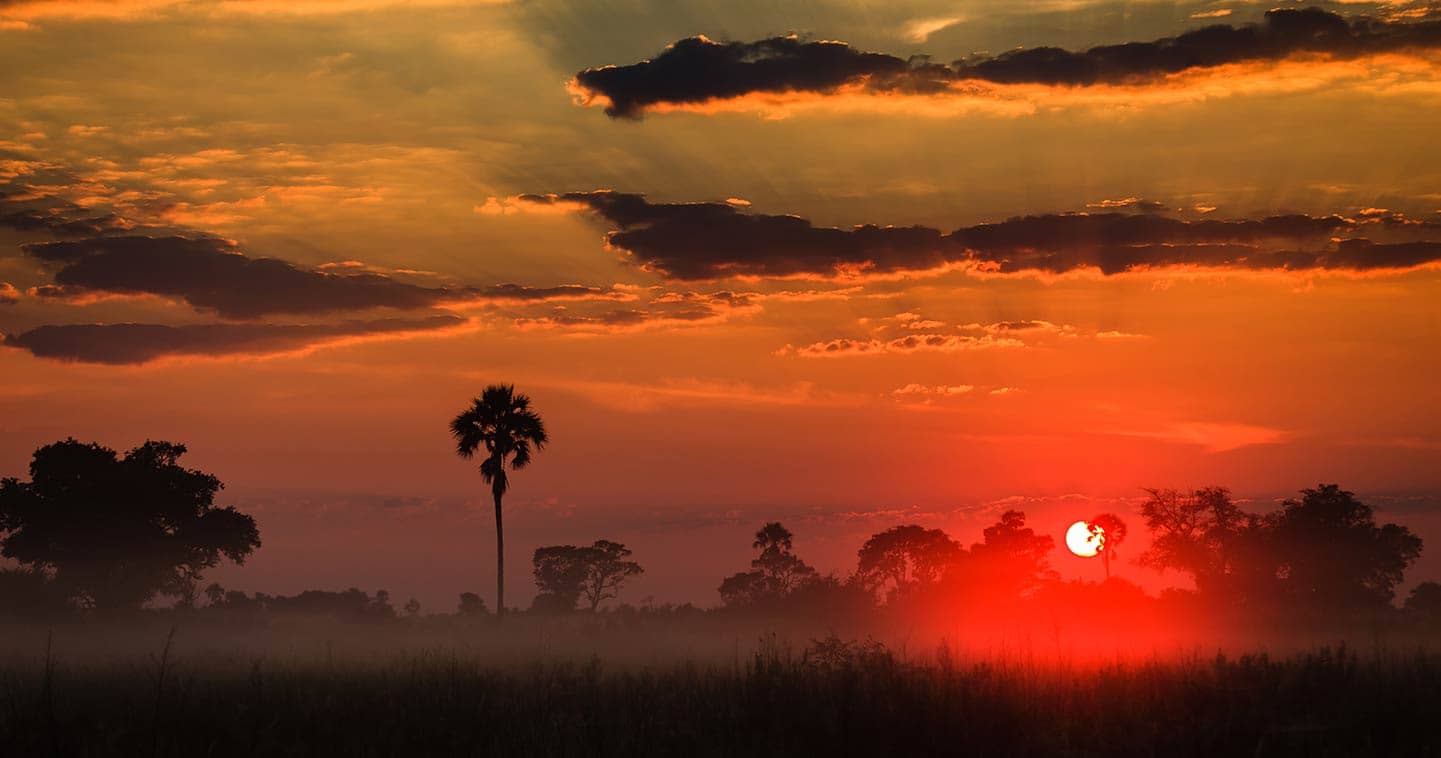
The water is receding rapidly and the heat is building — October regularly exceeds 40°C. But this is when the Okavango delivers some of its most visceral wildlife encounters. Animals crowd around the shrinking pools and channels, with predator-prey interactions playing out in the open. Elephant herds number in the hundreds. The bush is stripped bare, making every movement visible. The heat can be challenging (shade and cold drinks between drives become essential), but the game viewing can be extraordinary. September is the more comfortable of the two months; by October, only the heat-tolerant should apply.
November — the rains return
The first rains arrive, and the parched landscape responds almost instantly. Within days, a green carpet spreads across the plains, and the air is thick with the smell of wet earth. Migratory birds begin arriving from Europe and North Africa, and antelope calving season starts — which in turn attracts predators in peak condition. It’s a month of renewal and energy, with shoulder-season pricing and relatively few visitors. The weather is unpredictable, swinging between hot, still days and spectacular thunderstorms.
December — full wet season
The rains are fully established, with dramatic afternoon storms that light up the sky. The delta is green, lush and alive with birdlife. Most water-based activities are unavailable (water levels are at their lowest, counterintuitively — the flood from Angola won’t arrive for months), but game drives and bush walks continue. Rates drop to their lowest levels of the year, making this an outstanding value period for one of Africa’s finest safari destinations. If you’re a birder, a photographer who loves dramatic light, or a traveller who values having the bush to yourself, December has a genuine and underrated appeal.
Understanding the flood
The flood cycle is the single most important factor shaping your Okavango experience. The delta floods not during the local rainy season, but in the middle of the dry season — fed by summer rainfall in Angola’s highlands, the water takes four months to reach Botswana, arriving as a peak flood in July when local rainfall is zero. To follow that journey from source to delta, explore our interactive Okavango Delta story.
Practical planning tips
Booking lead times
For peak season (May to August), book at least nine to twelve months ahead — the most sought-after camps regularly sell out a full year in advance. For shoulder and green season, we recommend booking four to six months ahead, though availability can sometimes be found at shorter notice.
What to pack
The Okavango’s light aircraft transfers limit luggage to a 20 kg soft bag (no hard suitcases). Neutral-coloured, lightweight layers are essential year-round. In June and July, warm fleeces and a hat for pre-dawn game drives are a necessity — it can feel genuinely cold in an open vehicle at 6 a.m. In the wet season, a lightweight waterproof jacket handles the afternoon storms.
Rate seasons vs weather seasons
Lodge rate seasons don’t always align perfectly with weather seasons. Some camps start “peak” pricing in June even though May offers near-identical conditions. Others hold “high” rates through September when the weather is shifting significantly. Always check the specific rate periods for your chosen camps rather than assuming the labels match what you’ll experience on the ground.